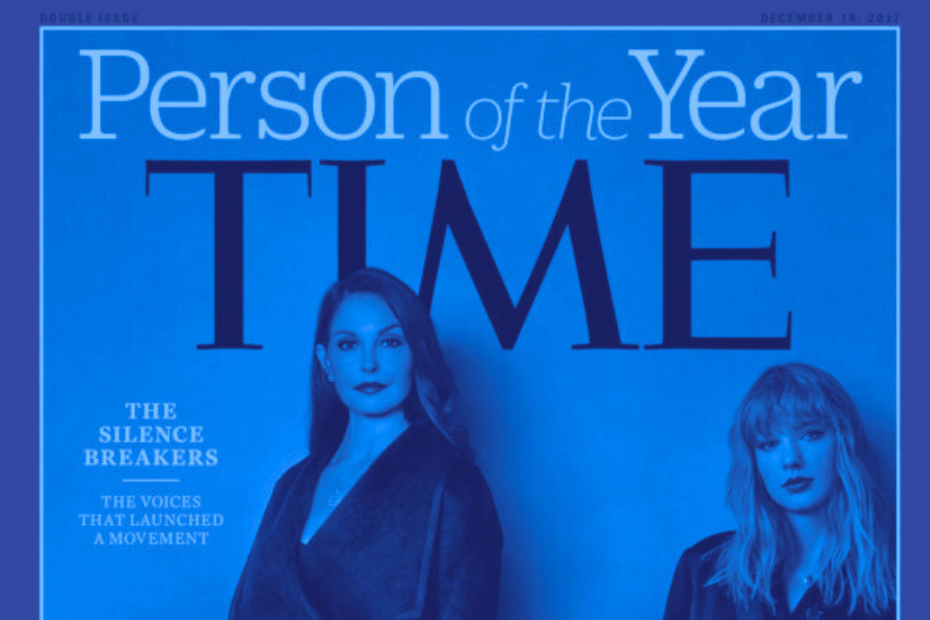
It has been nearly a decade since Time Magazine named “The Silence Breakers” as its Person of the Year, honoring the courage of women who spoke out against systemic sexual abuse. While that cultural reckoning fueled the #MeToo movement and led to landmark legislation, the 2026 landscape is defined by a troubling duality. Even as high-profile proceedings expose the resilience of entrenched power, a “Great Dismantling” of workplace protections is threatening to re-silence the voices that once demanded a national reckoning.
The Cost of Breaking Silence: A Decade of Case Studies
The women who appeared on that 2017 cover—Ashley Judd, Taylor Swift, and Susan Fowler—did more than share stories; they exposed the professional risks of integrity. Their journeys over the last nine years illustrate a masterclass in institutional pushback and the fight for structural reform.
- Ashley Judd: The Strategy of Sabotage: Judd’s experience with Harvey Weinstein in the 1990s was never just about a single room; it was about the decades of “blacklisting” that followed. Judd’s lawsuit alleged that Weinstein sabotaged her career by making false statements to filmmakers, resulting in her losing a potential role in the Lord of the Rings trilogy after rejecting his sexual advances in the 1990s. Her legal battle resulted in a significant procedural victory that allowed her case to move forward, though it did not end in a single “win” or “loss” verdict before his criminal legal issues took precedence. With Weinstein’s 2020 New York conviction overturned in 2024, many survivors are left in a state of perpetual judicial retreat.
- Taylor Swift: The $1 Standard of Truth: Swift’s 2017 trial became a blueprint for refusing the “victim” label. By suing for a symbolic $1, she stripped the defense of its ability to claim she was seeking a payday. Yet, even for a woman of Swift’s global influence, the battle against systemic misogyny is constant, as evidenced by the rise of deepfakes. Her likeness has been used for nonconsensual, seemingly AI-generated, deepfake pornography, which spread across the Internet like wildfire. Congress subsquently passed a major federal bill, the Take It Down Act (Tools to Address Known Exploitation by Immobilizing Technological Deepfakes on Websites and Networks Act), which was signed into law.
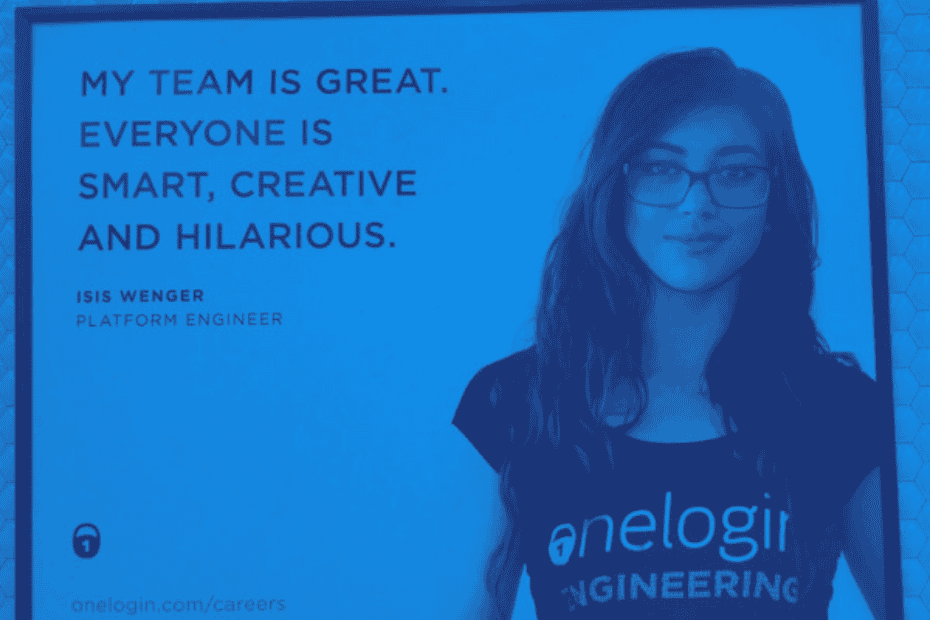
- Susan Fowler: The Architect of Accountability: As a former Uber engineer, Susan Fowler didn’t just report harassment; she exposed a corporate culture that used “forced arbitration” to bury systemic abuse. Her 2017 blog post triggered a global investigation that eventually led to the 2022 Ending Forced Arbitration of Sexual Assault and Sexual Harassment Act. In 2026, her legacy is a reminder that individual courage can change federal law, even if the “Great Dismantling” now threatens those very gains.
The Great Dismantling: Eroding Women’s Workplace Safety
In 2026, the structural progress of the #MeToo era is being systematically undone. A series of regulatory shifts and executive actions have created an environment where “Rape is not Rape,” and sexual harassment is once again treated as a private grievance rather than a corporate violation.
1. The Return of Forced Arbitration
The revocation of the Fair Pay and Safe Workplaces order has allowed federal contractors to return to mandatory arbitration. This effectively “re-silences” the workplace, moving sexual harassment and discrimination claims out of the public record and into private, company-controlled settings. When abuse is hidden, the perpetrator faces zero consequences, and the victim is often forced out through a “voluntary” resignation.
2. The Evidentiary Chasm
Recent policy shifts have moved away from the “preponderance of evidence” standard toward higher, more restrictive thresholds for proving assault. This “Normalization of Harassment” means that unless a violation is extremely violent or witnessed by multiple parties, it is frequently dismissed. For the “Silence Breakers” of 2026, the burden of proof has become an insurmountable wall.
The Rise of the Manosphere and the Ideology of Impunity
Perhaps the most insidious change since 2017 is the cultural shift driven by the “Manosphere.” Influencers like Andrew Tate and platforms like Joe Rogan’s have indoctrinated a new generation of young men with an ideology that minimizes sexual violence.
By reframing non-consensual acts as “misunderstandings” or “regret,” these communities have created a cultural shield for workplace abusers. In this environment, women who speak out are not seen as “Silence Breakers” but as “threats” to be neutralized through online vilification and professional blacklisting.
The 2026 Reality: Power Protecting Power
The ongoing fascination with the Jeffrey Epstein files and the Sean “Diddy” Combs proceedings in 2026 serves as a reminder of how little has actually changed. These cases illustrate a persistent reality: to many, the law does not apply to the powerful.
The “Great Dismantling” is not just a policy shift; it is a calculated effort to ensure that the silence, once broken, is never heard again. However, as Tarana J. Burke and Me Too International maintain, backlashes are to be expected—it simply means the work must persist.
The Good Search is a retained search firm specializing in technology and representative leadership. Powered by Intellerati, our just-the-facts approach enables us to present accurate information to clients who are positioning their companies as employers-of-choice.
For more on diversity, check out our Diversity Collection and the work we do advancing Representative Leadership and The Next Generation of Inclusive Excellence.