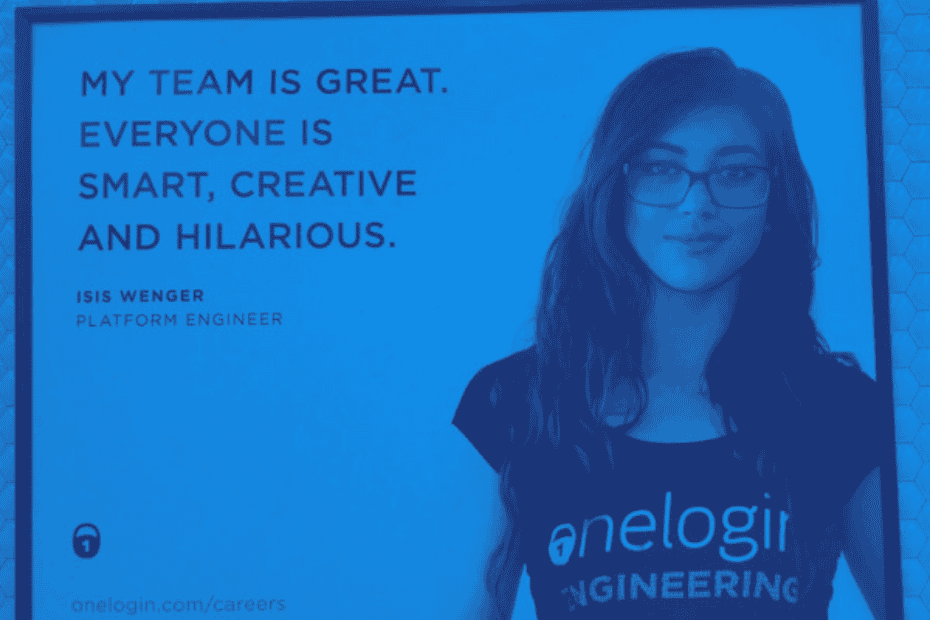
As of early 2026, the technology sector is grappling with a startling contradiction. In several premier academic institutions, engineering programs have finally achieved near-gender parity. However, this academic success only highlights a persistent workforce disparity: while women now represent nearly 50% of some engineering classes, they comprise only 16% to 34% of the active workforce.
This gap is not a recruitment failure; it is a structural attrition crisis. In 2026, the primary threat to technical ROI is no longer a lack of talent, but a “cultural tax” that drives high-potential female leaders out of the industry long before they reach the executive ranks.
I. The “Brogrammer” Evolution: From Frat Houses to the Manosphere
The “Brogrammer” culture of the last decade—once characterized as simple “frat house” behavior—has evolved into a more insidious form of institutionalized misogyny. Today, this culture is often bolstered by the “Manosphere,” a digital ecosystem that weaponizes pseudo-science and “biological essentialism” to undermine female colleagues.
For the modern executive, this represents a significant governance risk:
- The “Biological” Shield: A subset of engineers continues to push the debunked narrative that women are inherently less suited for technical rigor. This echoes the infamous 2015 headlines in which Nobel Prize winner Tim Hunt asserted that women were “distracting” in the laboratory—a sentiment women scientists mocked with the viral hashtag #DistractinglySexy with photos of themselves in decidedly uncoquettish lab attire.
- Mobbing and Strategic Hostility: This mindset manifests in “mobbing”—a collective form of workplace harassment designed to isolate high-performing women. It often results in “menial tasking,” where female engineers are sidelined into administrative roles, effectively neutralizing their technical alpha and intellectual contributions.
- The Zero-Sum Fallacy: Reinforced by Manosphere influencers, many male professionals now view diversity as a zero-sum game, creating an environment in which equity initiatives are met with active internal resistance rather than collaboration.
II. The Historical Catalyst: A Case Study in Narrative Disruption
The necessity of a professional “Village” to counter this toxicity was made clear a decade ago during the #ILookLikeAnEngineer campaign. In 2015, OneLogin engineer Isis Anchalee triggered a global movement after facing systemic skepticism over her professional identity following a BART recruiting poster.
While the hashtag went viral, the real lesson for 2026 is the human capital flight that followed. Anchalee eventually exited the traditional tech ecosystem to become a founder in Peru, supporting indigenous communities through Moon Rising. Her trajectory remains a stark warning: if a firm’s culture is too rigid to accommodate transformational talent, that talent will simply export their expertise to build new, more equitable markets elsewhere.
III. Mapping the Village: Women Engineering Leadership
To build a resilient leadership pipeline, women must map their villages, the organizations of women engineers helping each other advance in leadership. These organizations represent the critical infrastructure of the engineering “village,” facilitating the knowledge transfer required for institutional alpha.
- AnitaB.org: The global nonprofit organization focuses on gender and pay parity in tech in more than 50 countries. It hosts global events, including the Grace Hopper Celebration.
- IEEE Women in Engineering (WIE): A global network of IEEE members and volunteers dedicated to promoting women engineers and scientists. It has affinity groups in cities across the US
- Society of Women Engineers: Headquartered in Chicago, SWE has given women engineers a unique place and voice within the engineering industry for more than seven decades.
- Women in STEM Leadership (WISL): Focuses on empowering women with the support, resources, and tools needed for elevating their careers.
- Women Who Code: Equips women in tech with the community, capability, and confidence to lead at the highest levels of the industry.
- WEST (Women in the Enterprise of Science and Technology): A premier leadership accelerator focused on the transition from technical expert to strategic executive.